Mastering eye makeup, particularly eyeshadow, profoundly enhances your entire look, framing your eyes as the focal point of your face. While the video above provides a fantastic visual guide to specific eye makeup techniques, understanding the foundational principles behind those applications elevates your skills from simply replicating to truly creating.
Prepping Your Canvas: The Foundation for Flawless Eye Makeup
Just as an artist prepares a canvas, your eyelids require proper preparation for the best eyeshadow application. A clean, smooth surface ensures colors adhere correctly and blend seamlessly. Begin by gently cleansing your eyelids to remove any oils or residue.
Following this, apply a high-quality eye primer. Think of eye primer as the invisible adhesive that grips your eyeshadow, preventing creasing and fading throughout the day. It also helps to create a uniform base color, making your eyeshadow shades appear truer to their pan color.
Understanding Your Tools: Brushes Are Your Best Friends for Eyeshadow
Your brushes are extensions of your artistic intent when it comes to eye makeup. Using the right tool for the job makes a significant difference in the final outcome. Each brush type serves a unique purpose, much like different paintbrushes for a painter.
A fluffy blending brush, for instance, is crucial for diffusing harsh lines and creating a soft, gradient effect. Flat shader brushes are perfect for packing on intense color, especially shimmers, directly onto the lid. Pencil brushes excel at precision work, such as defining the lash line or adding shadow to the inner corner.
Demystifying Eyeshadow Textures and Finishes
Eyeshadows come in a wide array of textures and finishes, each offering a distinct aesthetic. Matte shadows provide a soft, velvety look, ideal for defining the crease or building depth without shine. Shimmer or metallic shadows, on the other hand, catch the light beautifully, adding dimension and a touch of glamour to the eyelid.
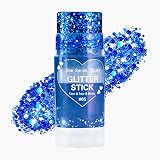
Satin finishes offer a subtle sheen, a middle ground between matte and shimmer, perfect for everyday elegance. Then there are glitter shadows, which provide an intense sparkle, often used for dramatic evening looks or special occasions. Understanding these variations allows you to choose the perfect texture to complement your desired eye makeup style.
Mastering the Art of Eyeshadow Application Techniques
Applying eye makeup is less about rigid rules and more about understanding a few core techniques that you can adapt. Start with a transition shade in your crease to create a soft base for blending. This acts like a preliminary sketch before you add the main colors.
Next, pack your desired lid color onto the mobile lid using a flat brush, pressing the product on for maximum intensity. For depth and definition, apply a darker shade to the outer corner and gently blend it inwards, creating a smoky effect. Always remember that blending is key; imagine you are watercolor painting, softening the edges until they seamlessly melt into one another.
The Everyday Eye Makeup Look
For a natural, everyday eye look, focus on subtle definition. Choose neutral tones like soft browns, taupes, or champagne shimmers. Apply a matte shade slightly darker than your skin tone into the crease for dimension.
Then, sweep a lighter shimmer shade across your eyelid. A touch of mascara and a clean brow can complete this effortless eye makeup, perfect for any occasion.
Creating a Dramatic Smoky Eye
The smoky eye, a perennial favorite, exudes sophistication and drama. Begin with an eye primer, then apply a black or dark brown kohl liner to your upper lash line and smudge it out with a pencil brush. This creates a deep base.
Layer a dark matte eyeshadow over the smudged liner, blending it up into the crease. Gradually build and blend lighter shades into the crease and transition area, ensuring a smooth gradient. A pop of shimmer on the inner corner or center of the lid can elevate this iconic eye makeup.
Tailoring Your Eye Makeup to Your Eye Shape
Understanding your eye shape is like knowing the unique dimensions of your personal canvas. What works beautifully for almond eyes might be adapted for hooded or monolid eyes. For instance, if you have hooded eyes, extending your eyeshadow slightly above the natural crease helps to “lift” the appearance of the lid.
Those with downturned eyes might benefit from winging out their eyeliner and eyeshadow upwards to create a more lifted effect. Individuals with close-set eyes can create the illusion of more space by focusing lighter shadows on the inner corners and blending darker shades towards the outer edges. Experimentation with eye makeup techniques helps you discover what truly flatters your unique features.
Beyond Eyeshadow: Completing Your Eye Look
Eyeshadow is a powerful component, but it’s part of a larger ensemble for effective eye makeup. Eyeliner, whether a subtle tight line or a dramatic wing, adds definition and intensity. Mascara, the final touch, lengthens, volumizes, and curls lashes, truly opening up the eyes.
Don’t forget your eyebrows; they frame your entire face. Well-groomed and filled-in brows provide balance and structure, completing your overall eye makeup. Each element works in harmony, like different instruments in an orchestra, to create a harmonious symphony of beauty.
Making Your Eye Makeup Last: Longevity Secrets
Ensuring your eye makeup remains impeccable from morning till night is a common desire. The journey begins with that crucial eye primer, as discussed earlier. Setting sprays designed for makeup can also play a vital role in locking everything in place, forming a protective barrier over your carefully crafted eye makeup.
For oily eyelids, lightly dusting a translucent setting powder over your primer before applying eyeshadow can significantly enhance wear time. Opting for long-wear or waterproof formulas for eyeliner and mascara also adds an extra layer of durability, making your eye makeup resilient against environmental factors and daily activities.
Eye-Opening Insights: Your Makeup Q&A
Why should I prepare my eyelids before applying eyeshadow?
Preparing your eyelids helps eyeshadow colors stick better and blend smoothly. This involves gently cleansing them and applying an eye primer.
What kind of brushes are important for applying eyeshadow?
Different brushes serve unique purposes; a fluffy blending brush helps soften harsh lines, while a flat shader brush is good for packing color onto the lid. Pencil brushes offer precision for areas like the lash line.
What are the common types of eyeshadow finishes?
Eyeshadows come in finishes like matte (soft, no shine), shimmer/metallic (adds dimension and light), satin (subtle sheen), and glitter (intense sparkle for dramatic looks).
How can I make my eye makeup last longer?
To increase longevity, always start with an eye primer, which helps prevent creasing and fading. You can also use a setting spray or translucent setting powder, and opt for long-wear or waterproof eyeliner and mascara.